

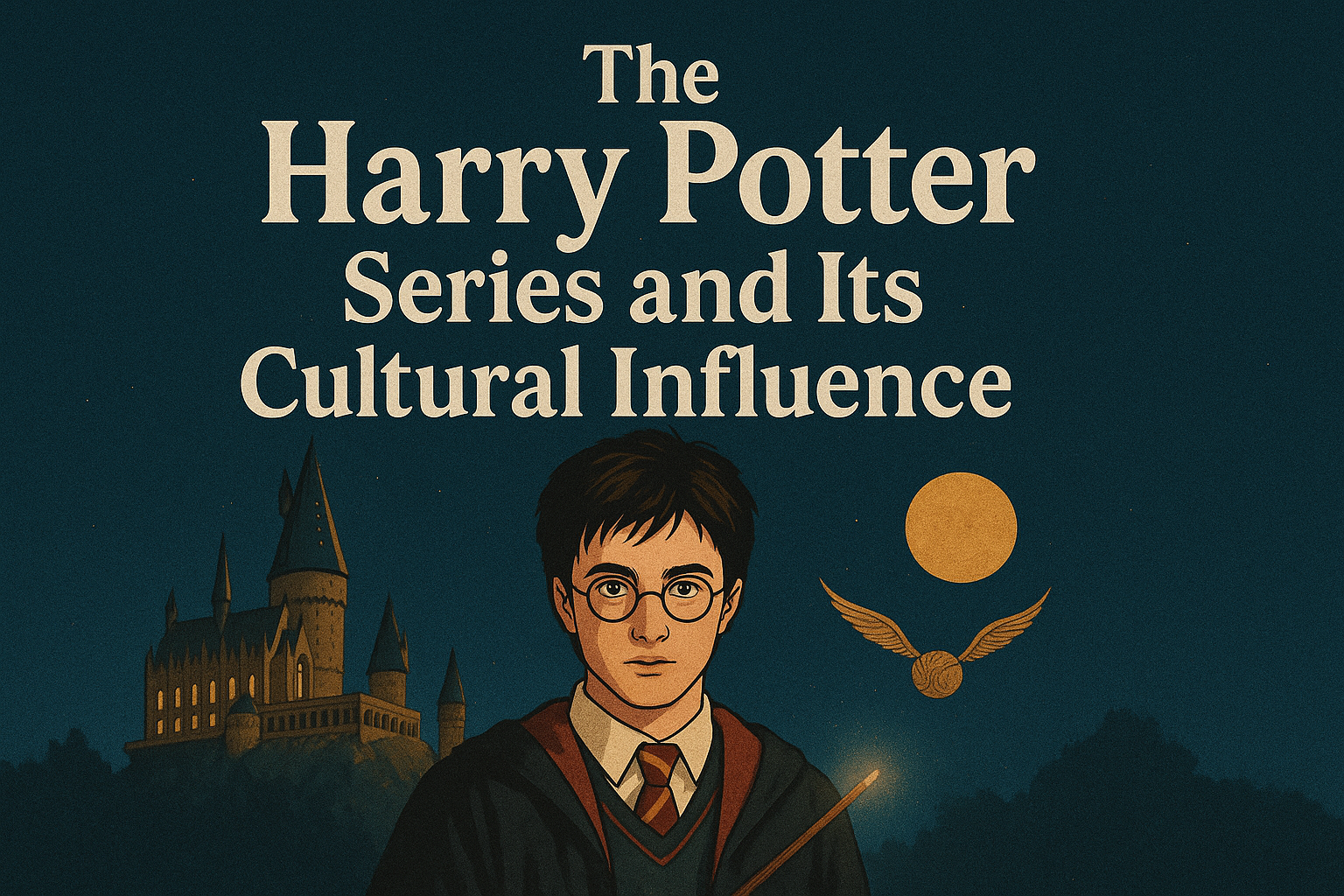
Few literary works have shaped modern popular culture as profoundly as J.K. Rowling’s Harry Potter series. First published in 1997, the books have since become a global phenomenon, selling over 500 million copies, translated into more than 80 languages, and adapted into one of the highest-grossing film franchises in history. But beyond sales figures and box-office numbers, the Harry Potter universe has left a deep cultural imprint that continues to resonate across generations.
A Generation That Grew Up with Harry
For millions of readers, Harry Potter was more than just a story—it was a rite of passage. Children who picked up Harry Potter and the Philosopher’s Stone in the late 1990s grew up alongside Harry, Hermione, and Ron. The books matured in tone and complexity as their readers did, addressing themes such as friendship, loyalty, courage, prejudice, and mortality. This shared experience created a sense of global community, often referred to as the “Harry Potter generation.”
Popularizing Reading for Young Audiences
The series sparked a renewed interest in reading among children and young adults at a time when digital entertainment was on the rise. Libraries and schools reported surges in book borrowing, and midnight release parties became cultural events in themselves. For many, Harry Potter was the gateway to a lifelong love of reading and fantasy literature.
Shaping Modern Fantasy
Rowling’s blend of magical traditions, school-life drama, and accessible humor influenced a wave of young adult fantasy that followed. From Percy Jackson to The Hunger Games and Twilight, publishers sought the next phenomenon, giving rise to an entire YA boom in the 2000s. The concept of a richly built fictional universe with complex rules of magic has become a staple in modern storytelling.
The Language of Potter in Everyday Life
Terms like “Muggle,” “Quidditch,” and “Hogwarts” have entered everyday vocabulary. Universities formed Quidditch teams; fan-created platforms like Pottermore (now Wizarding World) sustained the franchise’s digital presence; and countless fanfictions, artworks, and role-playing communities kept the world alive beyond the original books.
Social and Cultural Conversations
The series has often been seen as more than just entertainment—it provided an entry point for conversations about morality, equality, and power. The depiction of “pure-blood” supremacy echoes real-world issues of racism and classism. Dumbledore’s wisdom has been quoted in political speeches, and activists have drawn parallels between Voldemort’s rise and contemporary struggles against authoritarianism.
The Business of Magic
Harry Potter is also one of the earliest examples of a truly transmedia franchise. From films, merchandise, theme parks, and Broadway productions (Harry Potter and the Cursed Child), the brand extended far beyond books. This not only transformed the entertainment industry’s approach to adaptations but also set new benchmarks for franchise-building.
Criticism and Evolving Conversations
As with any cultural giant, the series hasn’t been without criticism. Scholarly debates question gender roles, diversity, and representation within the books. More recently, discussions around the author’s public statements have sparked difficult questions for fans about separating art from the artist. Still, the conversation itself is a testament to how deeply embedded Harry Potter is in cultural consciousness.
A Legacy That Endures
More than two decades after the release of the first book, Harry Potter continues to enchant new readers and viewers. Parents pass the series to their children, fans revisit the movies every holiday season, and Hogwarts remains a comforting symbol of imagination and belonging.
In many ways, Harry Potter is not just a series of books—it’s a shared cultural touchstone. Its magic lies not only in spells and potions but in its ability to connect people across generations, geographies, and backgrounds. The boy who lived will continue to live on in the hearts of readers for decades to come.